
Understanding the types and stages of endometriosis is essential for accurate diagnosis, effective treatment planning, and symptom management.
- This is the most common form.
- Lesions are small and located on the peritoneum (the thin lining inside the abdomen).
- Often associated with mild pain or discomfort.
- Also referred to as “chocolate cysts.
- These are fluid-filled cysts found within or on ovaries, containing old blood that can appear brown in color.
- Can lead to ovarian damage or complications with fertility.
- The most severe form of endometriosis.
- Lesions penetrate deeper than 5 millimeters into tissues such as ligaments, organs like the bladder, bowel, or vaginal walls.
- Associated with significant pain and severe symptoms that may interfere with daily life.
| Type | Key Characteristics | Severity Level | Impact on Health |
| Superficial Peritoneal | Small lesions on peritoneum | Mild | Minimal impact if treated |
| Ovarian Endometriomas | Cysts filled with blood on ovaries | Moderate to Severe | May affect fertility |
| Deep Infiltrating (DIE) | Lesions deep in pelvic tissues/organs | Severe | Can impair organ function |
Stages of Endometriosis
The stages of endometriosis are classified by the American Society for Reproductive Medicine (ASRM).
- Small, isolated lesions without significant scar tissue (adhesions).
- Symptoms may be mild or absent.
- More extensive lesions compared to Stage I.
- Possible early adhesions but limited overall damage.
- Includes deep implants along with small cysts on one or both ovaries.
- Adhesions may begin forming around organs.
- Extensive deep implants as well as large cysts (endometriomas).
- Dense adhesions affecting multiple organs.
Comparing Stages of Endometriosis
| Stage | Characteristics | Common Symptoms | Impact on Fertility |
| Stage I | Minimal lesions | Mild/no symptoms | Rarely impacts fertility |
| Stage II | Larger lesions; few adhesions | Mild to moderate pain | Rarely impairs fertility |
| Stage III | Deep implants; ovarian cysts; early adhesions | Moderate pain; irregular periods | Potential infertility |
| Stage IV | Severe deep implants; large ovarian endometriomas | Chronic pain; bowel dysfunction | High risk for infertility |
Understanding these stages helps physicians tailor treatment strategies based on an individual’s condition rather than a one-size-fits-all approach.
Why Differentiating Types and Stages Matters
- Early identification enables patients to receive timely care before complications worsen.
- Differentiation allows clinicians to predict likely symptoms and risks — for example, DIE often correlates with debilitating symptoms such as bowel dysfunction.
- Treatments can be customized based on type/stage — surgical interventions are more common in advanced cases like DIE compared to milder forms.
By recognizing these differences among types and stages of endometriosis, patients can understand their condition better while collaborating closely with healthcare providers toward optimal management options tailored specifically for their needs.
Understanding Washington Endometriosis: Stages and Their Impact on Your Health
It is categorized into four stages based on severity, extent, and the impact on surrounding organs. Understanding these stages is essential for effective diagnosis, management, and treatment. Below is an in-depth look at each stage and its potential impact on health.
Understanding the Four Stages of Endometriosis with an Endometriosis Expert in Washington DC
| Stage | Characteristics | Impact on Health |
| Stage 1: Minimal | Small lesions or implants found outside the uterus; limited to superficial tissue; few adhesions (if any). | Mild symptoms or asymptomatic; may experience occasional pelvic discomfort. |
| Stage 2: Mild | Larger implants with some invasion into deeper tissues; minor adhesions may be present. | More noticeable pelvic pain around menstruation; early signs of fertility challenges possible. |
| Stage 3: Moderate | Multiple deep implants involving pelvic organs such as ovaries; scar tissue forms (adhesions); ovarian cysts may develop. | Increased pain levels, often chronic; worsening menstrual irregularities; significant fertility issues. |
| Stage 4: Severe | Extensive deep implants across multiple organs; large ovarian cysts (endometriomas); dense adhesions binding organs together. | Debilitating symptoms including chronic pelvic pain, bowel/bladder issues; infertility in many cases. |
Understanding Key Factors at the Endometriosis Center Washington DC
- Genetic Predisposition: Family history of endometriosis increases risk of more severe cases.
- Hormonal Fluctuations: Hormonal imbalances can fuel lesion growth.
- Delayed Diagnosis: Without timely intervention, lesions can worsen in size and depth.
- Lifestyle Factors: Diets high in inflammatory foods or lack of exercise may exacerbate symptoms.
How Stages Impact Health
- Pain severity does not always correlate with stage.
- Some women with minimal endometriosis report significant pain.
- Conversely, others with severe cases may have milder discomfort.
- Fertility tends to decrease as stages progress due to damage caused by scarring and blockages.
- Women with severe (Stage 4) endometriosis are more likely to experience infertility-related complications.
- Chronic fatigue resulting from inflammation can occur at any stage but worsens as physical symptoms intensify.
- Bowel movements and urination become increasingly painful in advanced stages due to deeper infiltration into surrounding tissues.
Why Early Diagnosis Matters
Detecting endometriosis in its earlier stages ensures better outcomes through less invasive treatments such as hormonal therapies or minimally invasive surgery before extensive damage occurs.
In summary, understanding the different stages of endometriosis gives patients clarity about their condition while guiding healthcare providers toward tailored treatment plans aimed at improving overall health outcomes.
What Happens if Endometriosis is Left Untreated and Why Early Intervention Matters
Endometriosis is a chronic gynecological condition where endometrial-like tissue grows outside of the uterus, often causing pain, inflammation, and complications. Without timely diagnosis and treatment, untreated endometriosis can lead to several physical, emotional, and reproductive health consequences. Understanding these risks highlights the importance of early intervention.
Potential Complications of Untreated Endometriosis
- Persistent pelvic pain is one of the most common symptoms of untreated endometriosis.
- Pain may become more severe over time and can radiate to the lower back or legs.
- Some individuals develop pain during daily activities such as exercising or even sitting for long periods.
- Up to 30-50% of individuals with untreated endometriosis may experience difficulty conceiving.
- Scarring (adhesions) and damage to reproductive organs from ongoing inflammation can interfere with ovulation or block fallopian tubes.
- This may lead to bowel obstructions, urinary issues, or kidney damage if left unmanaged.
- Chronic symptoms are linked to anxiety, depression, and a decreased quality of life.
- Many patients experience emotional distress due to delayed diagnosis or a lack of effective relief from symptoms.
Long-Term Health Risks
| Health Issue | Description |
| Adhesions & Scarring | Scar tissue formation may lead to painful adhesions between organs. |
| Cyst Formation (Endometriomas) | Fluid-filled cysts on ovaries (“chocolate cysts”) can rupture or damage ovarian tissue. |
| Bowel & Urinary Complications | Advanced stages might obstruct normal bowel movements or urination due to affected tissues. |
Importance of Early Intervention
- Symptom Management:Early treatment with medications like hormonal therapies can reduce inflammation and alleviate pain before it worsens.
- Fertility Preservation:For those wishing to conceive in the future, prompt medical intervention minimizes scarring that could impact fertility.
- Prevention of Organ Involvement:Timely care reduces the risk that endometrial lesions will spread deeply into other organs.
- Improved Quality of Life:Early diagnosis allows patients access to multidisciplinary care approaches (medical treatments combined with lifestyle modifications), improving mental health outcomes.
Recognizing When Treatment Is Needed
If you suspect you may have symptoms related to endometriosis—such as irregular menstruation, painful periods (dysmenorrhea), heavy bleeding (menorrhagia), or gastrointestinal discomfort during your cycle—seeking timely medical evaluation is critical. Diagnostic methods include pelvic ultrasound imaging or laparoscopy for confirmation.
By acting early and working closely with healthcare providers specializing in this condition, patients can minimize long-term complications while exploring individualized treatment options tailored to their needs.
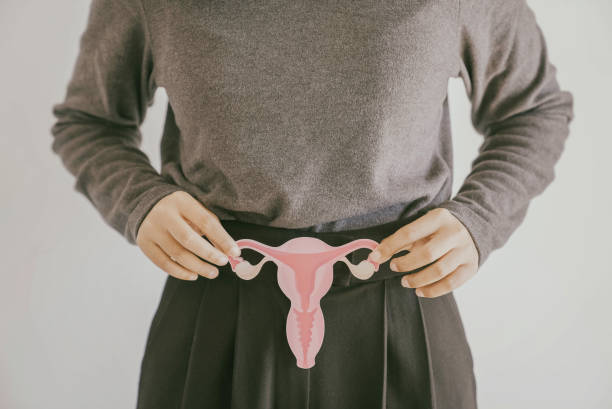
Categories of Endometriosis Explained: From Peritoneal to Deep Infiltrating Types
This disorder can manifest in different ways, and understanding its categories is essential for effective diagnosis, treatment, and management. Below, we explore the primary categories of endometriosis and their distinct characteristics.
1.Peritoneal Endometriosis
This is considered one of the most common and milder forms of endometriosis. It occurs when lesions form on the peritoneum—the thin membrane lining your abdominal cavity.
- Location:Typically found on the pelvic walls or nearby organs like the uterus.
- Appearance:Lesions can vary in color (red, black, or white) depending on their stage.
- Mild to moderate pelvic pain
- Irregular menstrual cycles
- Infertility in some cases
Early-stage peritoneal endometriosis may be easier to treat compared to other types.
2.Ovarian Endometriomas (Chocolate Cysts)
Ovarian endometriomas are cyst-like structures filled with thick, brown fluid resembling chocolate, hence their nickname. These cysts form within or on the ovaries as a result of trapped endometrial tissue.
- They can cause significant ovarian damage over time.
- Often associated with Stage III or IV endometriosis.
- Severe pelvic pain during menstruation
- Difficulty conceiving
- Risks:These cysts may rupture or cause ovarian torsion, which requires immediate medical attention.
3.Superficial Peritoneal Lesions
This category describes small implants that remain on the surface layer without deeply infiltrating tissues.
- Typically identified in early-stage endometriosis
- Symptoms may be less severe but still contribute to discomfort and inflammation
4.Deep Infiltrating Endometriosis (DIE)
Deep infiltrating endometriosis represents a more severe subtype where lesions penetrate more than five millimeters into affected tissues.
| Characteristics | Details |
| Common Sites | Uterus, bowel, rectum, bladder |
| Severity | Often linked to Stage IV disease |
| Symptoms | Chronic pain, painful bowel movements or urination during menstruation |
DIE often leads to debilitating symptoms that significantly affect quality of life and may require extensive interventions such as surgery.
Key Differences Between Categories
| Category | Depth/Extent | Typical Symptoms | Treatment Approach |
| Peritoneal | Surface-level | Mild pain, irregular cycles | Hormonal therapy; laparoscopic surgery |
| Ovarian | Cystic growths on ovaries | Severe pain; infertility | Cyst drainage/removal; hormonal therapy |
| Deep Infiltrating | Deep tissue involvement | Chronic pain; organ dysfunction | Surgery; advanced medical treatments |
Why Understanding Categories Matters
Proper identification of these categories helps healthcare providers tailor treatment plans based on symptom severity and disease progression. While some forms are manageable with medication alone, others require more invasive approaches such as surgical excision. Early recognition is key to minimizing complications like infertility or chronic pelvic pain.
By classifying endometriosis into these categories—peritoneal lesions, ovarian forms (like chocolate cysts), superficial implants, and deep infiltrating types—patients can better advocate for personalized care suited to their unique circumstances.
It occurs when endometrial-like tissue grows deeper into pelvic structures, penetrating more than 5 millimeters below the peritoneal surface. This advanced form of the condition often leads to significant pain, complications, and challenges in daily life. Understanding its impact and severity levels is key to effective management.
DIE is distinct from other forms of endometriosis due to its penetration depth and tendency to affect critical organs in the pelvis.
- Depth of invasion: The lesions extend beyond superficial layers into surrounding tissues or organs.
- Affected areas: DIE can involve structures like:
- The rectovaginal septum.
- Uterosacral ligaments.
- Bladder or bowel walls.
- Ureter (in rare cases).
- Chronic inflammation: The condition triggers ongoing inflammatory processes, leading to scarring and adhesions.
Symptoms Associated with DIE
The symptoms of DIE are often more intense than those experienced in milder forms of endometriosis.
- Severe pelvic pain that worsens during menstruation.
- Painful intercourse (dyspareunia).
- Pain during bowel movements.
- Constipation or diarrhea.
- Blood in stool or urine during menstruation.
- Infertility or difficulty conceiving.
Some individuals with significant infiltration may experience minimal symptoms, while others have debilitating pain.
Severity Levels
The impact of DIE can vary based on the extent of infiltration and the areas affected. While there is no universal grading system for DIE alone, it is often classified as part of stage IV endometriosis under the American Society for Reproductive Medicine (ASRM) staging system due to its extensive nature.
| Severity Level | Description | Potential Impact |
| Mild | Limited infiltration into small areas | Minimal symptoms; manageable with treatment |
| Moderate | Deeper involvement affecting pelvic structures | Increased pain; moderate adhesions |
| Severe | Large infiltrative lesions involving vital organs | Chronic symptoms; risk of complications like bowel obstruction |
- Physical Limitations: Chronic pain may restrict mobility and participation in daily activities.
- Emotional Toll: Living with persistent discomfort can lead to anxiety, depression, or feelings of isolation.
- Fertility Challenges: Scarring and adhesions caused by DIE can impair reproductive function.
Treatment Options for DIE
- Hormonal therapy (e. g. , progestins, GnRH agonists) to suppress lesion growth and alleviate symptoms.
- Pain management using NSAIDs or other prescription medications.
- Laparoscopic excision surgery is commonly recommended for removing deep lesions while preserving organ function whenever possible.
- Specialized surgeons may be required for cases involving bowel or urinary tract infiltration.
- Dietary changes focusing on anti-inflammatory foods.
- Stress-reduction techniques such as yoga or acupuncture.
- Assisted reproductive technologies (ART), such as IVF, may be necessary if conception is a goal.
Deep infiltrating endometriosis (DIE) is one of the most severe types of endometriosis. It occurs when endometrial-like tissue grows more than 5 millimeters beneath the surface of the peritoneum, infiltrating surrounding tissues and organs. This form of the condition can significantly impact a person’s physical health, quality of life, and fertility as it often leads to chronic pain and functional complications.
- Location: DIE typically affects structures such as:
- The uterosacral ligaments
- The rectovaginal septum
- The bowel (e. g.
- The bladder
- The ureters
- Severity: Due to its invasive nature, DIE can cause severe symptoms and complications, often more debilitating than superficial forms of endometriosis.
- Symptoms: Common symptoms include:
- Intense pelvic pain, particularly during menstruation or sexual intercourse
- Digestive issues such as bloating, constipation, or diarrhea
- Urinary problems like frequency or pain while urinating
- Fatigue and reduced overall energy levels
| Feature | Superficial Peritoneal Endometriosis | Ovarian Endometrioma | Deep Infiltrating Endometriosis |
| Depth of Lesions | Lesions are confined to the peritoneal surface | Cysts form within the ovaries (chocolate cysts) | Lesions invade tissues >5 mm below peritoneal surface |
| Common Symptoms | Mild to moderate pelvic pain | Chronic pelvic pain; ovarian cysts detectable via imaging | Severe pain; interference with organ function |
| Organ Involvement | Limited | Primarily ovarian involvement | Can affect multiple organs including bowel & bladder |
Understanding these differences is crucial for accurate diagnosis and treatment planning.
Why Is DIE Particularly Serious?
- Impact on Organs: Since DIE invades deeper tissues and organs, it may lead to complications such as:
- Bowel obstruction in cases where lesions involve the intestines.
- Hydronephrosis (kidney swelling) caused by ureteral compression.
- Difficulty with bladder emptying or urinary retention.
- Pain Severity: Compared to other types of endometriosis, DIE is associated with more intense and persistent pain that can significantly impair daily activities.
- Fertility Challenges: Patients with DIE may face higher risks of infertility due to scarring, adhesions, or distorted anatomy affecting reproductive organs.
- Pelvic Examination: A doctor may identify nodules or tenderness in specific areas.
- Transvaginal ultrasound is often used to detect abnormalities in deep tissues.
- MRI scans provide detailed images for identifying lesion location and severity.
- Laparoscopy: A minimally invasive surgical procedure used for both diagnosis and potential treatment by direct visualization.
- Hormonal therapies like oral contraceptives or GnRH agonists may help reduce lesion growth.
- Pain management through NSAIDs or other medications aimed at controlling discomfort.
- Surgical Intervention If medical options are ineffective or if complications arise:
- Laparoscopic excision surgery can be performed to remove lesions.
- For severe cases involving significant organ damage, reconstructive surgery may be necessary.
- Lifestyle Modifications Patients might benefit from complementary strategies like:
- Dietary changes focused on anti-inflammatory foods.
- Regular exercise tailored to their physical capacity.
- Stress reduction techniques like mindfulness-based therapies.

Finding an Endometriosis Specialist in Washington DC: Understanding Stages and Types
Endometriosis is a complex condition that presents differently in each individual. Identifying the stage and type of endometriosis requires a detailed assessment by a healthcare provider. This guide outlines the symptoms, diagnostic methods, and factors considered in determining the stage and type of endometriosis.
Recognizing Symptoms
While symptoms vary widely among individuals, certain signs may indicate the presence of endometriosis.
- Chronic pelvic pain: Persistent discomfort in the lower abdomen, often associated with menstrual periods.
- Heavy or irregular periods: Menstrual cycles that are unusually heavy, prolonged, or irregular.
- Infertility concerns: Difficulty conceiving can sometimes be a symptom of advanced stages of endometriosis.
Although these symptoms are common indicators, they may overlap with other conditions like irritable bowel syndrome (IBS) or pelvic inflammatory disease (PID). A precise diagnosis is essential to confirm the presence and severity of endometriosis.
Diagnostic Methods
- Medical history review: A detailed discussion about symptoms, menstrual cycles, family history, and previous medical issues.
- Pelvic exam: A manual exam to detect abnormalities such as ovarian cysts or signs of inflammation.
- Ultrasound: Useful for identifying ovarian cysts known as endometriomas.
- Magnetic Resonance Imaging (MRI)
- Biopsies may also be performed during laparoscopy to confirm tissue diagnosis.
The Four Stages of Endometriosis
| Stage | Description | Key Characteristics |
| 1 | Minimal | Small lesions with minimal scarring; no significant adhesions are present |
| 2 | Mild | Superficial implants with mild scarring; may begin affecting reproductive organs |
| 3 | Moderate | Deeper implants with noticeable scar tissue; small ovarian cysts might be present |
| 4 | Severe | Extensive lesions and scarring; large cysts on ovaries; fertility may be impacted |
- The most common form.
- Lesions appear on the peritoneum (the lining inside your abdomen).
- Fluid-filled cysts that develop within the ovaries.
- Can lead to complications like infertility if untreated.
- Severe form where lesions penetrate deeper into tissues such as ligaments or nearby organs like bowels and bladder.
A combination of staging systems and classification by type allows for tailored treatment plans specific to each individual’s condition.
Why an Accurate Diagnosis Matters
Determining your specific stage and type of endometriosis enables healthcare providers to design effective treatment strategies tailored to your needs. Whether you require hormonal therapy for mild cases or surgery for advanced stages like DIE-endometriosis will influence outcomes significantly.
By seeking early evaluation from a specialist familiar with managing this condition—particularly when experiencing persistent symptoms—you improve both symptom control and long-term health outcomes.
Understanding the Stages of Endometriosis: A Guide to Endometriosis Surgery in Washington DC
Determining the stage and type of endometriosis you have is essential for proper diagnosis, effective treatment planning, and improving your overall quality of life. This process involves a combination of medical evaluation, diagnostic tools, and an understanding of the symptoms you may be experiencing. Below is a comprehensive guide to help you better understand how healthcare professionals identify the stage and type of endometriosis.
Symptoms as Initial Clues
Symptoms can vary widely among individuals with endometriosis and may provide important clues about its stage or type.Pelvic painPainful periods (dysmenorrhea): Severe menstrual cramps that may interfere with daily activities.Pain during intercourse: Discomfort or pain during sexual activity.Infertility: Difficulty conceiving is often linked to advanced stages of endometriosis.Bowel or bladder dysfunction
While these symptoms suggest possible endometriosis, they are not sufficient to determine its specific stage or type. Further diagnostic steps are necessary.
Diagnostic Tools to Determine Stage and Type
- A physician may manually check for abnormalities such as cysts or scar tissue during a pelvic exam.
- While this can identify some signs, it often cannot confirm specific stages or types.
- endometriomasbut is less effective in identifying smaller lesions.
- Considered the gold standard for diagnosing and staging endometriosis.
- This minimally invasive surgical procedure allows direct visualization of lesions, adhesions, and cysts.
- The surgeon assigns a specific stage (I-IV) based on lesion size, depth of infiltration, and extent of spread using the American Society for Reproductive Medicine (ASRM) classification system.
- During laparoscopy, tissue samples are often collected for biopsy to confirm the presence of endometrial-like tissue outside the uterus.
Stages vs.
| Factor | Stages | Types |
| Progression | Ranges from mild (Stage I) to severe (Stage IV). | Includes peritoneal lesions, ovarian cysts (endometriomas), and deep infiltrating disease (DIE). |
| Impact | Later stages more likely to cause infertility and organ involvement. | Different types require tailored treatments depending on their location and severity. |
Questions to Ask Your Doctor
When discussing your condition with your doctor, consider asking: 1. What diagnostic tests will help confirm my diagnosis? 2. Based on my symptoms, what stage might I have? 3. Could I have multiple types of endometriosis simultaneously? 4. How will my diagnosis impact treatment options?
Accurate determination of your stage and type empowers you to pursue treatments targeted at reducing pain, improving fertility outcomes where relevant, and enhancing overall well-being.
- Understanding the 5 Stages of Washington Endometriosis and Their Impact on Progression
- Finding the Right Endometriosis Specialist in Washington DC: Is Surgery the Best Option?
- Understanding Endometriosis: Insights from an Endometriosis Doctor in Washington DC
- Endometriosis Surgery in Washington DC: Comprehensive Guide to Procedures, Recovery, and Results
- Exploring Washington Endometriosis Treatments: Types of Surgery and Their Benefits
- Understanding the 5 Stages of Washington Endometriosis and Their Impact on Progression
- Finding an Endometriosis Specialist in Washington DC: Symptoms, Diagnosis, and Next Steps