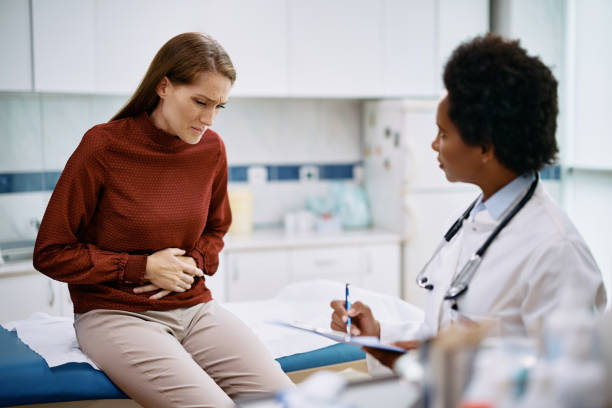
While the precise cause remains uncertain, research has identified several potential causes and factors that increase susceptibility to this condition.
- Retrograde Menstruation:
- Embryonic Cell Transformation:
- Immune System Dysfunction:
- Surgical Scars:
Following certain surgical procedures like cesarean deliveries or hysterectomies, endometrial cells may attach to incisions or scar tissue, triggering localized growth. - Genetic Factors:
There is evidence suggesting that genetic predisposition may increase an individual’s likelihood of developing endometriosis, particularly if a close relative has been diagnosed with it. - Peritoneal Metaplasia:
| Risk Factor | Description |
| Family History | Women with close relatives who have endometriosis are more likely to develop it. |
| Early Onset of Menstruation | Beginning menstruation at an earlier age increases lifetime exposure to estrogen, which may contribute to risk. |
| Short Menstrual Cycles | Cycles shorter than 27 days can lead to more frequent exposure to hormonal fluctuations associated with menstruation. |
| Heavy or Prolonged Periods | Excessive menstrual bleeding lasting more than 7 days could elevate risk levels over time. |
| Never Giving Birth | Women who have not had children seem more likely to experience symptoms related to this condition. |
| Disorders Affecting Menstrual Flow | Conditions like Mullerian anomalies that block normal menstrual flow might increase retrograde menstruation risks. |
Additional Contributing Factors
- Environmental Influences: Studies have explored potential links between exposure to endocrine-disrupting chemicals (e. g. , dioxins) and heightened risks.
- Hormonal Imbalance: Elevated estrogen levels or sensitivity might encourage abnormal tissue growth.
- Inflammatory Responses: Chronic inflammation caused by underlying health conditions could exacerbate symptoms or promote cell adhesion in abnormal locations.
Recognizing these causes and risk factors can help foster early identification and intervention for those who may be at higher risk for developing endometriosis, ultimately improving their overall prognosis and quality of life.
For individuals diagnosed with endometriosis, understanding the mechanisms through which this condition affects fertility is crucial for managing expectations, exploring treatment options, and planning for family building.
- Formation of Adhesions and Scarring:
Endometrial-like tissue that grows outside the uterus can lead to inflammation, scarring, and adhesions.
Example: - Ovarian Cysts (Endometriomas):
Endometriomas are cysts filled with blood that develop in or around the ovaries. - Inflammation and Immune Response:
Chronic inflammation caused by endometrial deposits can alter hormone regulation and create an environment hostile to fertilization or embryo implantation. - Hormonal Imbalances:
| Mechanism | Impact on Fertility |
| Adhesions/Scarring | Blocks sperm/egg movement; distorts pelvic anatomy |
| Ovarian Cysts (Endometriomas) | Reduces ovarian reserve; disrupts ovulatory function |
| Inflammation | Creates hostile conditions for fertilization; reduces embryo implantation potential |
| Hormonal Imbalances | Affects ovulation timing; reduces synchronization between uterine lining and embryo |
The severity of endometriosis is often classified into four stages (I to IV), based on laparoscopy findings. While mild cases (Stages I-II) may have minimal impact on fertility, moderate to severe cases (Stages III-IV) are more likely to impair reproductive health due to extensive scarring, damage to ovarian tissue, or complete blockage of fallopian tubes.
- Approximately 30-50% of individuals with endometriosis experience infertility.
- Those undergoing assisted reproductive technologies like IVF often report lower success rates if endometriosis is present.
- Hormonal therapies like GnRH agonists or progestins may help suppress disease progression but do not directly restore fertility.
- Laparoscopic excision surgery aims to remove adhesions, cysts, and scar tissue while preserving healthy tissue.
- Techniques such as in vitro fertilization (IVF) bypass many physical barriers caused by endometriosis.
- Egg freezing may be recommended for those wishing to delay conception or prior to surgical treatment for severe cases.
Steps Toward Optimizing Reproductive Health
- Consult a specialist in reproductive endocrinology.
- Monitor ovarian reserve using methods like AMH blood tests or antral follicle counts via ultrasound.
- Maintain a healthy lifestyle by focusing on anti-inflammatory diets, stress reduction techniques, regular exercise, and adequate sleep.
By understanding how endometriosis impacts fertility and exploring available treatments tailored to their unique needs, individuals are better equipped to make informed decisions about their reproductive health journey.
Understanding the mechanisms behind this impact is essential for those seeking to conceive or manage their reproductive well-being.
- Adhesions may cause blockages in the fallopian tubes or prevent proper egg release during ovulation.
- Chronic inflammation caused by endometrial implants releases cytokines and other inflammatory agents. These substances can negatively affect egg quality, sperm function, and embryo implantation.
- Severe cases of endometriosis, particularly ovarian endometriomas (commonly referred to as “chocolate cysts”), may compromise ovarian tissue. This can lead to a decreased number of healthy eggs available for fertilization.
- Hormonal disruptions associated with endometriosis may interfere with ovulation cycles or create an unfavorable uterine environment for embryo implantation.
The severity of these effects varies from person to person. While some individuals with endometriosis experience difficulty conceiving, others may still be able to achieve pregnancy naturally without intervention.
Even for those not actively trying to conceive, endometriosis can have a broader impact on reproductive health.
- Chronic Pelvic Pain: Pelvic pain, often worsened during menstruation or intercourse (dyspareunia), is a hallmark symptom that can reduce overall quality of life.
- Increased Risk of Miscarriage: Studies suggest that individuals with moderate-to-severe endometriosis may face higher rates of early pregnancy loss compared to those without the condition.
- Potential Link to Gynecological Cancers:
Research has indicated a slightly increased risk of certain cancers (e. g. , ovarian cancer) in women with longstanding severe endometriosis; however, this remains rare overall.
| Treatment Option | Description |
| Surgical Intervention | Laparoscopic surgery can remove adhesions and lesions to restore anatomy. |
| Ovulation Induction/Timed Intercourse | Fertility medications stimulate ovulation; intercourse is timed accordingly. |
| Intrauterine Insemination (IUI) | Sperm is inserted directly into the uterus after ovulation stimulation. |
| In Vitro Fertilization (IVF) | Eggs are fertilized outside the body before implantation into the uterus. |
It’s worth noting that conservative surgeries aimed at treating lesions might improve fertility outcomes temporarily but carry risks such as recurrence over time.
Emotional Considerations in Managing Reproductive Health
The psychological toll of navigating infertility alongside chronic pain should not be underestimated. Many individuals require emotional support through counseling or support groups tailored specifically for those living with endometriosis-related fertility challenges.
By addressing both physical and emotional dimensions proactively through medical care and lifestyle adjustments, many people find ways to preserve hope while managing their reproductive health effectively within their unique circumstances.
Effective management of endometriosis is essential to alleviate symptoms, enhance quality of life, and address complications such as infertility. Below are some of the most common and evidence-based approaches for managing endometriosis symptoms.
Medications can help reduce pain and slow the progression of endometriosis. They do not cure the condition but are highly effective in managing symptoms.
- These medications work by reducing inflammation and blocking pain signals.
- Hormonal Therapy:
Hormone-based treatments play a crucial role in controlling endometriosis by regulating or suppressing hormone levels associated with the menstrual cycle: - Progestin Therapy: Includes progestin-only pills, intrauterine devices (IUDs), or injections to suppress estrogen production and thin the uterine lining.
- GnRH Agonists/Antagonists: Gonadotropin-releasing hormone medications temporarily induce a menopausal state to decrease estrogen levels. This can significantly reduce pain and shrink lesions over time.
| Medication Type | Purpose | Commonly Used Examples |
| NSAIDs | Pain relief | Ibuprofen, Naproxen |
| Birth Control Pills | Hormonal regulation | Combination oral contraceptives |
| GnRH Agonists | Suppress estrogen production | Leuprolide (Lupron), Elagolix |
Surgery may be recommended in moderate to severe cases where medications fail to provide sufficient relief or there is a need to improve fertility outcomes.
- Laparoscopy: A minimally invasive procedure where a surgeon identifies and removes or destroys endometrial implants using techniques such as excision or ablation.
- HysterectomyThis option is generally reserved for individuals who do not plan future pregnancies.
- Regular physical activity can help reduce inflammation.
- Balanced diets rich in anti-inflammatory foods (e. g. , leafy greens, fatty fish) may promote symptom relief while avoiding triggers like high-fat processed foods that might exacerbate inflammation.
- Acupuncture:May alleviate chronic pelvic pain by promoting blood flow and relaxing muscle tension.
- Pelvic Floor Physical Therapy:Targets muscle imbalances caused by chronic pelvic discomfort.
- Herbal Supplements:While some herbs claim benefits for hormonal balance (e. g. , turmeric), consult with a healthcare provider before use due to potential interactions with other treatments.
Each treatment plan should be tailored carefully through collaboration with a healthcare professional specializing in gynecology or reproductive medicine. By combining medical therapies with lifestyle approaches when necessary, many individuals experience considerable improvements in their symptoms and overall well-being while living with endometriosis.
Hormones play a pivotal role in both the development and management of endometriosis.
Estrogen, a key reproductive hormone, is considered one of the primary drivers of endometriosis. Elevated levels of estrogen can stimulate the growth and inflammation of ectopic endometrial tissue.
- Tissue Proliferation: Estrogen promotes cell growth, leading to further development of abnormal lesions.
- Inflammatory Response: High estrogen levels can increase inflammatory markers, exacerbating symptoms such as pain and swelling.
- Resistance to Natural Cell Death: Endometrial cells outside the uterus become resistant to apoptosis (programmed cell death), partly due to estrogen’s effects.

Hormonal Imbalances Beyond Estrogen
- Progesterone Resistance: In individuals with endometriosis, cells often exhibit resistance to progesterone. This reduces its ability to counteract estrogen-driven growth.
- Cortisol Dysregulation: Chronic pain associated with endometriosis has been linked to dysregulated stress hormones like cortisol, which may further influence systemic inflammation.
- Androgens: Lower androgen levels have been observed in some cases and may indirectly impact symptom severity.
Hormonal therapy is a cornerstone in managing endometriosis symptoms by targeting these imbalances. Treatment aims to reduce estrogen activity or regulate its effects on tissues.
- Suppress ovulation and stabilize hormone levels.
- Reduce menstrual flow and associated pain.
- Counters estrogen’s proliferative effects on ectopic tissue.
- Often delivered through pills, injections, or intrauterine devices (IUDs).
- Temporarily induce low-estrogen states resembling menopause.
- Effective at shrinking lesions but may cause side effects like bone density loss.
- Block local production of estrogen within endometrial lesions.
- Often used in conjunction with other hormonal treatments.
| Treatment Option | Mechanism | Common Side Effects |
| Oral Contraceptives | Suppresses ovulation; stabilizes hormones | Nausea, mood changes |
| Progestins | Opposes estrogen-driven growth | Irregular bleeding |
| GnRH Agonists | Reduces overall estrogen production | Hot flashes, bone thinning |
| Aromatase Inhibitors | Blocks local estrogen synthesis | Joint pain, fatigue |
Ongoing research into hormone signaling pathways offers hope for more targeted therapies with fewer side effects. Advances include identifying molecular markers specific to endometrial lesions and exploring personalized approaches based on an individual’s hormonal profile.
By addressing hormonal dysregulation effectively through both existing therapies and emerging innovations, there is potential for improved symptom relief while minimizing invasive surgical interventions.
The management of endometriosis often involves a multifaceted approach, including medical treatments, surgical interventions, and lifestyle modifications. Among these, diet and lifestyle changes have garnered increased attention for their potential role in alleviating symptoms and improving quality of life for those with endometriosis. While dietary changes do not cure the condition, they may help manage inflammation and support overall health.
Certain foods can contribute to chronic inflammation, which is believed to exacerbate the pain and other symptoms associated with endometriosis. Conversely, some nutrients and food groups may help reduce inflammation and support hormonal balance.
- Leafy greens (e. g.
- Berries (e. g.
- Healthy fats like omega-3 fatty acids (e. g.
- Turmeric and ginger
- Processed foods high in sugar or trans fats
- Red meat and processed meats
- Alcohol
- Caffeine (in excess)
- Fiber-Rich Foods: A diet rich in fiber can promote hormonal balance by assisting with estrogen metabolism.
- Whole grains (e. g.
- Legumes (e. g.
- Fruits like apples and pears
The adoption of a whole-food-based diet that minimizes processed products can also help improve digestion—a key concern for many individuals with endometriosis who experience gastrointestinal discomfort.
Lifestyle habits play an integral role in how effectively symptoms are managed. Small but consistent adjustments may significantly improve overall well-being when paired with medical treatment plans.
- Stress Management: Chronic stress can exacerbate pain by increasing cortisol levels and inflammatory responses.
- Mindfulness meditation or yoga
- Deep-breathing exercises
- Pursuing hobbies or creative outlets
- Regular Physical Activity: Moderate exercise has been shown to reduce inflammation while improving circulation and reducing chronic pain over time.
- Low-impact activities like Pilates or swimming
- Walking or light jogging as tolerated
- Sleep Hygiene: Poor sleep can worsen pain perception as well as fatigue often associated with endometriosis.
- Maintaining a consistent bedtime routine
- Limiting screen time before bed
- Creating a cool, dark sleeping environment
Emerging studies suggest potential benefits of specific dietary patterns for individuals managing this condition.
| Dietary Pattern | Potential Benefits | Foods Emphasized |
| Mediterranean Diet | Reduces inflammation | Olive oil, fish, vegetables |
| Low-FODMAP Diet | Improves gastrointestinal symptoms | Gluten-free grains; low-fructose fruits |
| Plant-Based Diet | Supports hormonal balance | Legumes; soy-based products |
While these dietary approaches may benefit some people with endometriosis-related symptoms, it is essential to consult both a healthcare provider and a registered dietitian before implementing significant changes.
Building Sustainable Habits for Long-Term Health
Instead of drastic changes all at once, consider starting gradually by incorporating anti-inflammatory foods into meals or dedicating short periods daily to mindfulness practices.
Overall health improvements often come not just from individual decisions but from their cumulative impact on reducing inflammation levels while enhancing overall well-being.
Raising awareness about the realities of living with this condition is crucial for fostering understanding, empathy, and improved support for those affected.
- Lack of Public Awareness: Many people are unaware of what endometriosis is or how profoundly it can affect a person’s life.
- Taboo Around Menstruation: Since endometriosis symptoms often involve menstrual health, societal discomfort in discussing menstruation perpetuates silence on the topic.
- Delayed Diagnosis: Individuals with endometriosis frequently experience years of misdiagnoses or being told their pain is “normal,” which reinforces feelings of isolation and invalidation.
- Gender Bias in Medicine: Historically, women’s pain has been dismissed or minimized, leading to systemic barriers in recognizing and addressing conditions like endometriosis.
The Impact of Stigma on Patients
- Emotional Toll: Many patients feel isolated or disbelieved about their pain, leading to anxiety, depression, or feelings of inadequacy.
- Delays in Seeking Care: Fear of judgment or dismissal may prevent individuals from advocating for themselves or pursuing effective treatment options.
- Workplace Challenges: Symptoms such as chronic pain and fatigue can interfere with professional performance, but stigma may prevent employees from receiving accommodations or understanding from employers.
Breaking the stigma requires collective action at multiple levels—personal, societal, and institutional.
- Normalize discussions around menstrual health to reduce discomfort surrounding such topics.
- Share stories from individuals living with endometriosis to humanize the condition.
- Develop public health campaigns that educate communities about endometriosis symptoms, treatment options, and its effects on quality of life.
- Provide resources within schools and workplaces to improve understanding among young people and professionals.
- Push for increased investment into research on early diagnosis techniques and innovative treatments.
- Support organizations dedicated to advancing medical knowledge about gynecological health.
- Host workshops or webinars featuring healthcare professionals who specialize in reproductive health.
One way to combat misinformation is by debunking common myths associated with this condition.
| Myth | Fact |
| Painful periods are normal | Severe period pain is not normal; it could be a symptom of an underlying condition like endo. |
| It only affects women | While most cases occur in women assigned female at birth (AFAB), trans men and non-binary people can also have it. |
| Pregnancy cures endometriosis | Pregnancy may temporarily alleviate symptoms but does not cure the underlying condition. |
| Hysterectomy guarantees symptom relief | A hysterectomy may not fully resolve symptoms if lesions exist outside reproductive organs. |
Building Empathy Within Society
- Recognize that their experiences deserve validation without questioning their pain levels.
- Offer support through small gestures—like checking in on how they’re feeling during flare-ups—or larger actions like attending medical appointments if requested.
- Avoid making dismissive statements such as “It’s just bad cramps” or “You’ll feel better if you rest.
By dismantling stereotypes and promoting accurate information about endometriosis, society can create an environment where patients feel heard, supported, and empowered to seek necessary care without fear of judgment or dismissal.
Raising awareness about this complex condition is essential to encourage timely diagnosis, foster empathy, and promote better support systems for those living with it. Here’s an exploration of the barriers surrounding endometriosis awareness and actionable steps to help break the stigma.
- Delayed Diagnoses: On average, it takes 7 to 10 years for someone to be diagnosed with endometriosis. This delay leads many sufferers to feel invalidated or misunderstood.
- Invisible Symptoms: The symptoms of endometriosis—such as pelvic pain, fatigue, or infertility—are not always outwardly visible, leading some people to question their severity or legitimacy.
- Gender Disparities in Healthcare: Historical biases in medical research and treatment have disproportionately affected conditions primarily impacting women or those assigned female at birth (AFAB), including endometriosis.
Steps Toward Breaking the Stigma
- Learn about what endometriosis is and how it impacts individuals physically, emotionally, and socially.
- Share medically accurate information through conversations or social media platforms to spread awareness in your personal network.
- Discuss topics like menstrual pain or reproductive health openly without shame.
- Advocate for comprehensive education about menstrual health in schools and workplaces.
- Promote awareness about early warning signs like debilitating pelvic pain, irregular periods, bloating, and chronic fatigue so individuals seek medical help sooner.
- Advocate for healthcare providers’ training focused on recognizing symptoms earlier.
- Create safe spaces where individuals feel comfortable sharing their struggles without fear of dismissal.
- Avoid making assumptions about someone’s experience; each person’s journey with endometriosis is unique.
How Awareness Helps Improve Lives
| Benefit | Impact |
| Earlier Diagnosis | Timely treatment options can reduce symptom severity and improve quality of life |
| Better Support | Increased understanding fosters emotional support from family members, friends, and colleagues |
| Policy Changes | Greater public awareness can lead to improved funding for research into cures |
Raising awareness is not just about education but also fostering compassion toward those living with this condition every day. By encouraging open dialogue and advocating for systemic change, society can help dismantle outdated stigmas tied to endometriosis while empowering individuals impacted by it to lead fuller lives free from judgment or misunderstanding.
- Understanding the 5 Stages of Washington Endometriosis and Their Impact on Progression
- Finding the Right Endometriosis Specialist in Washington DC: Is Surgery the Best Option?
- Understanding Endometriosis: Insights from an Endometriosis Doctor in Washington DC
- Endometriosis Surgery in Washington DC: Comprehensive Guide to Procedures, Recovery, and Results
- Exploring Washington Endometriosis Treatments: Types of Surgery and Their Benefits
- Understanding the 5 Stages of Washington Endometriosis and Their Impact on Progression
- Finding an Endometriosis Specialist in Washington DC: Symptoms, Diagnosis, and Next Steps