
Endometriosis surgery is a significant medical intervention for individuals living with endometriosis, a condition where tissue similar to the lining of the uterus grows outside of it, causing chronic pain, inflammation, and other complications. This comprehensive guide explores the various surgical procedures available, what recovery entails, and how surgery can improve quality of life.
Types of Endometriosis Surgery
- Often referred to as “keyhole surgery,” this is the most common procedure for diagnosing and removing endometriosis tissue.
- Small incisions are made in the abdomen, and a laparoscope (a thin tube with a camera) is inserted.
- Surgeons either excise (cut out) or ablate (burn away) endometrial lesions during this procedure.
- Benefits: Shorter recovery time, reduced scarring, and lower risk of complications compared to open surgery.
- This involves a larger incision in the abdomen to access and remove extensive endometrial growths.
- Laparotomy may be required for severe cases where large areas of tissue need removal or when organs such as the bowel or bladder are affected by deep infiltrating endometriosis.
- Benefits: Allows more extensive surgical intervention when minimally invasive techniques are insufficient.
Recovery from Endometriosis Surgery
Post-Surgery Hospital Stay – Laparoscopy: Usually outpatient or 1-day stay.
– Laparotomy: May involve 2–5 days in the hospital.
Short-Term Recovery – Pain management through prescribed medications or over-the-counter options as directed by your doctor.
– Rest is critical during this period; avoid strenuous activities like heavy lifting or exercise for 4–6 weeks after laparotomy and 1–2 weeks post-laparoscopy.
Long-Term Healing – Follow-up appointments ensure proper healing and monitor symptom improvement.
– Some patients may experience immediate relief from pain post-surgery; others might notice gradual improvement over weeks or months.
| Type of Surgery | Hospital Stay | Full Recovery Time | Scarring |
| Laparoscopy | Outpatient/1 day | 1–2 weeks | Minimal |
| Laparotomy | 2–5 days | 4–6 weeks | Moderate |
Benefits of Endometriosis Surgery
- Chronic pelvic pain
- Heavy menstrual bleeding
- Painful intercourse
- Bowel or bladder dysfunction associated with deep infiltrating endometriosis
Surgery may also play a role in improving fertility outcomes for individuals facing challenges conceiving due to adhesions caused by endometrial growths.
While surgical intervention offers symptom relief in many cases, it often works best when combined with long-term management strategies such as hormonal therapy or lifestyle adjustments. Each individual’s situation is unique, so treatment plans should be tailored based on symptoms, fertility goals, overall health status, and disease severity.
Endometriosis surgery plays a crucial role for individuals whose symptoms significantly impact daily life or health. Depending on the severity of the condition and individual circumstances, different surgical options are available. Each type offers unique benefits tailored to managing pain, improving fertility, and enhancing quality of life. Below is an overview of the common surgical approaches used to treat endometriosis.
Finding the Right Endometriosis Doctor in Washington DC for Surgery
- This is the most common procedure for diagnosing and treating endometriosis.
- A small incision is made in the abdomen, allowing surgeons to insert a camera (laparoscope) to view internal tissues and organs.
- Minimally invasive with shorter recovery times compared to open surgeries.
- Effective for removing visible endometrial lesions and scar tissue while preserving reproductive organs.
- Often recommended for mild-to-moderate cases of endometriosis.
- Performed in severe cases where laparoscopy may not be sufficient to address extensive damage or adhesions.
- Involves a larger incision in the abdominal wall to provide access for removing deep lesions or significant scar tissue buildup.
- Allows for comprehensive removal of deeply infiltrating endometrial growths that may not be easily accessible through laparoscopy.
- Useful in advanced stages where other treatments have failed.
- Involves removing the uterus, which may also include removal of ovaries (oophorectomy) or fallopian tubes (salpingectomy).
- Typically considered as a last resort when other treatments have not provided relief and if preserving fertility is no longer a concern.
- Provides significant symptom relief in individuals with severe pain unresponsive to conservative therapies.
- Reduces recurrence risk if ovaries producing estrogen are also removed.
- A specialized technique where surgeons carefully cut out all visible signs of endometrial tissue from affected organs without damaging surrounding structures.
- Often performed by skilled specialists trained specifically in excision methods.
- Reduces recurrence rates compared to ablation methods that burn away lesions instead of fully removing them.
- Improves fertility outcomes by preserving healthy reproductive tissue.
- For individuals with ovarian cysts caused by endometriosis (endometriomas). Surgical removal can relieve pain and improve ovarian function.
- Benefits:
- Restores ovarian health by eliminating cysts while protecting healthy ovarian tissue during surgery.
- Enhances fertility potential in those trying to conceive.
Laparoscopy vs Laparotomy: Insights from an Endometriosis Expert Washington DC
| Feature | Laparoscopy | Laparotomy |
| Incision Size | Small incisions | Larger abdominal incision |
| Recovery Time | Shorter (1-2 weeks) | Longer (4-6 weeks) |
| Use Case | Mild-to-moderate cases | Severe/extensive cases |
| Recurrence Prevention | Moderate | Higher likelihood when combined with adjunct treatments |
Important Factors to Consider at an Endometriosis Center Washington DC Before Surgery
- The choice between procedures depends on factors such as lesion severity, age, reproductive goals, and overall health status.
- Minimally invasive procedures like laparoscopy are often preferred due to quicker recovery times but may not always address widespread disease effectively.
- More extensive surgeries like hysterectomy require careful evaluation since they are irreversible and carry implications related to hormonal changes.
Endometriosis surgeries provide significant benefits when carefully planned alongside medical supervision; however, it remains crucial for patients to explore all treatment options before making an informed decision that aligns with their needs and lifestyle priorities.
Who Needs Endometriosis Surgery and How It Can Help
Endometriosis surgery is often considered when other management strategies, such as hormonal treatments or pain medications, fail to provide adequate relief. It is a significant step in managing the condition, and understanding who might benefit from surgical intervention is crucial. Below, we examine the criteria for surgery and the ways it can help individuals with endometriosis.
Candidates for Endometriosis Surgery
- Severe or Persistent Symptoms: Individuals experiencing chronic pelvic pain that disrupts daily activities despite medical treatment may consider surgery.
- Suspected Diagnosis: In some cases, laparoscopic surgery is used to confirm a diagnosis of endometriosis if imaging or symptoms are inconclusive.
- Fertility Challenges: Those struggling with infertility linked to endometriosis may require surgery to remove adhesions or lesions that impair reproductive function.
- Endometriomas (Ovarian Cysts): The presence of large or painful endometriomas can justify surgical intervention to preserve ovarian function.
- Bowel or Bladder Involvement: Severe cases where adhesions affect the bowel, bladder, or other organs might necessitate surgical treatment.
How Surgery Helps Manage Endometriosis
Surgery provides both diagnostic and therapeutic benefits. The primary objectives of surgical intervention include symptom relief, improved fertility outcomes, and enhanced quality of life.
- Surgical removal of endometrial implants reduces pain associated with inflammation and scar tissue.
- For individuals with advanced disease stages (III-IV), excision of adhesions can restore mobility to affected organs.
- Removal of adhesions around the ovaries and fallopian tubes can improve chances of natural conception by restoring normal anatomy.
- Studies indicate that laparoscopic excision improves fertility outcomes in many patients compared to non-surgical approaches.
- Laparoscopy offers a direct visualization of lesions, providing confirmation of an endometriosis diagnosis.
- Surgeons can assess the extent and severity (staging) during the procedure.
Types of Surgical Techniques Used
| Type | Description | Purpose |
| Laparoscopy | Minimally invasive procedure using small incisions and a camera | Diagnostic & therapeutic; removal of lesions |
| Excision Surgery | Complete removal (cutting out) of visible endometrial implants | Long-term symptom relief |
| Ablation Surgery | Destruction (burning) of surface-level lesions using heat or laser tools | Short-term symptom reduction |
| Hysterectomy | Removal of the uterus; sometimes includes ovaries (oophorectomy) for severe cases | For pain relief in non-fertility-seeking individuals |
Benefits Beyond Pain Relief
Surgical interventions not only aim at reducing physical symptoms but also address emotional well-being. Chronic pain from untreated endometriosis can lead to depression, anxiety, and fatigue. Effective management through surgery enables patients to regain control over their lives while alleviating psychological stress associated with persistent discomfort.
While surgery is not always a first-line treatment option for everyone diagnosed with this condition, it remains an important tool for improving outcomes for selected patients dealing with moderate-to-severe forms of endometriosis.
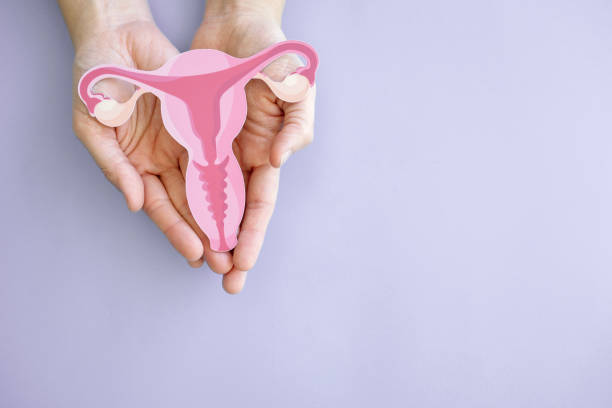
How Surgical Treatment Impacts Pain and Symptom Relief for Endometriosis
Endometriosis surgery is a pivotal treatment option for individuals experiencing significant pain and other debilitating symptoms due to this condition. While the effectiveness of surgery can vary depending on the severity of the disease and individual circumstances, it often provides meaningful relief for certain symptoms. Below, we delve into how surgical intervention can affect pain management and overall symptom improvement.
Primary Goals of Endometriosis Surgery
The main objectives of surgical treatment are: – Removal or reduction of endometrial lesions: These are patches of tissue similar to the uterine lining that grow outside the uterus. – Alleviating chronic pelvic pain: One of the most common symptoms experienced by individuals with endometriosis. – Improving organ function: Addressing adhesion-related complications that may impair bowel, bladder, or reproductive organ function. – Enhancing quality of life: Reducing symptoms that negatively impact daily activities, work, and mental health.
Types of Pain Addressed by Surgery
Surgery may help alleviate various types of pain associated with endometriosis: 1. Pelvic Pain: Persistent discomfort in the lower abdomen or pelvis linked to inflammation and nerve involvement. 2. Dysmenorrhea (Painful Periods): Pain caused by uterine contractions and irritation from lesions during menstruation. 3. Dyspareunia (Pain During Intercourse): Often resulting from scar tissue or adhesions affecting pelvic structures. 4. Bowel or Bladder Pain: Caused by endometrial lesions infiltrating these organs.
Mechanisms Behind Pain Relief
Surgical interventions work through several mechanisms to address pain: – Excision Surgery: This involves meticulously cutting out all visible endometrial lesions from affected areas. Excision is considered effective in reducing recurrence compared to less invasive methods like ablation. – Adhesion Removal: Adhesions—bands of scar tissue caused by inflammation—can limit organ mobility and contribute to pain. Surgical removal restores normal anatomy. – Nerve-Sparing Techniques: Surgeons may use approaches designed to preserve critical nerves while providing symptom relief.
Symptom Improvement After Surgery
Studies indicate that many patients experience substantial symptom improvement following surgery: | Symptom | Percentage Reporting Improvement | |————————|———————————–| | Pelvic Pain | 60–80% | | Dysmenorrhea | 70–85% | | Dyspareunia | 60–70% | | Improved Organ Function| Significant in cases with adhesions|
Limitations and Considerations
Although surgery can significantly reduce symptoms, there are important factors to consider: – Not all individuals will achieve full relief from symptoms. – Endometriosis is a chronic condition; recurrence is possible even after successful surgery. – Severity of disease, surgeon expertise, and adherence to post-surgical management plans impact outcomes.
Long-Term Benefits Beyond Pain Relief
For some patients, reducing debilitating symptoms through surgery improves other facets of life: – Enhanced emotional well-being due to reduced physical distress. – Improved ability to engage in daily tasks and maintain social relationships.
By addressing both physical discomfort and its broader impacts on quality of life, surgical interventions remain a cornerstone treatment for managing endometriosis-related pain effectively.
How Surgical Treatment Impacts Pain and Symptom Relief for Endometriosis
Endometriosis can cause chronic pain, fatigue, and a range of symptoms that disrupt daily life for those affected. Surgical treatment is often considered when other methods, such as medication or hormonal therapy, do not provide adequate relief. Understanding how surgery affects pain and symptom relief is essential for making informed decisions about treatment.
The Role of Surgery in Pain Management
- Reduction in Inflammation: By removing lesions, surgery decreases inflammation caused by the body’s immune response to abnormal tissue growth.
- Nerve Decompression: Advanced cases may involve the compression of surrounding nerves by endometriotic lesions. Surgical removal can relieve this pressure.
- Elimination of Adhesions: Pelvic adhesions caused by endometriosis can lead to restricted organ movement and severe pain. Surgery helps restore normal pelvic anatomy.
Types of Surgeries and Their Impact
- Minimally invasive.
- Often used for diagnosis and treatment simultaneously.
- Associated with shorter recovery times.
- Reduces mild-to-moderate pain effectively.
- Open abdominal surgery reserved for severe cases or extensive adhesions.
- Longer recovery time but may address deeper or more widespread lesions.
- Involves removal of the uterus (and sometimes ovaries).
- Recommended primarily when other treatments fail or in cases where endometriosis significantly impairs quality of life.
- May result in more permanent symptom relief but is not suitable for individuals desiring fertility preservation.
Expected Outcomes on Pain Relief
Pain relief after surgery varies depending on lesion extent, surgical technique, and individual factors like age or disease progression:
– Studies suggest that laparoscopic excision results in significant pain reduction in 65–80% of patients within 6–12 months post-surgery.
– For severe cases treated with hysterectomy (with ovary removal), long-term studies report over 85% pain remission rates; however, menopausal symptoms may occur if ovaries are removed.
| Factors Influencing Pain Relief | Impact |
| Lesion Size & Location | Larger/deeper lesions may require more complex surgeries with variable outcomes |
| Surgeon Expertise | Experienced specialists improve success rates |
| Hormonal Therapy Post-Surgery | May sustain symptom relief and prevent recurrence |
Managing Expectations Post-Surgery
While surgical intervention offers significant symptom improvement for many patients, some considerations remain:
– Endometriosis has a recurrence rate ranging from 20–50% within five years post-surgery if ovaries are retained.
– Pain management does not always equate to a cure; continuous follow-up care is critical to monitor recurring symptoms or complications.
Surgical treatment is a valuable option that provides substantial relief for individuals living with endometriosis-related symptoms when approached thoughtfully alongside medical guidance tailored to each patient’s unique needs.
The Risks, Complications, and Factors Affecting Recurrence After Endometriosis Surgery
Endometriosis surgery can be an effective approach to managing symptoms, improving quality of life, and addressing fertility issues. However, as with any surgical intervention, it carries potential risks and complications. Understanding these factors is key to making informed decisions about treatment and setting realistic postoperative expectations.
Common Risks Associated with Endometriosis Surgery
- Infection: Post-surgical infections may develop at the incision site or internally if proper care is not taken.
- Bleeding: Some degree of bleeding is expected during surgery; however, excessive bleeding or damage to blood vessels may require additional medical attention.
- Damage to Surrounding Organs: Organs such as the bladder, bowel, or ureters may accidentally be injured during the procedure due to the complexity of removing deep implants or adhesions.
- Anesthesia Complications: Reactions to general anesthesia, while rare, are still a potential risk.
Long-Term Complications and Recurrence
Even after successful surgery for endometriosis, there remains a chance of long-term complications and recurrence of symptoms.
- Formation of Adhesions: Postoperative scarring can lead to adhesions that cause chronic pain or bowel obstruction in some cases.
- Recurrence of Endometriosis Lesions: Studies suggest that recurrence rates vary widely depending on factors such as the severity of endometriosis and surgical techniques used (e.g., excision vs ablation). Estimates show recurrence rates ranging from 20% to 50% within five years after surgery.
| Severity Level | Approximate Recurrence Rate |
| Mild/Moderate | 20–30% |
| Severe/Advanced | 40–50% |
- Persistent Pain: In some cases, pelvic pain may persist after surgery even if visible lesions have been removed.
Factors Influencing Surgical Outcomes and Recurrence
- Surgical Expertise: Surgeons with specialized training in advanced laparoscopic techniques tend to achieve better outcomes by thoroughly removing lesions while minimizing damage to healthy tissue.
- Extent of Disease at Diagnosis: Individuals with severe or deeply infiltrating endometriosis are more likely to experience recurrence compared to those with milder forms.
- Adjuvant Therapies Post-Surgery: Hormonal treatments (e.g., oral contraceptives or GnRH agonists) prescribed post-surgery may reduce the likelihood of recurrence by suppressing residual endometrial tissue growth.
- Lifestyle Modifications: Maintaining anti-inflammatory diets, reducing stress levels, and engaging in regular physical activity can contribute positively toward managing symptoms after surgery.
Weighing Benefits Against Risks
It is important for patients considering endometriosis surgery to weigh potential benefits against these risks while discussing their options with a qualified healthcare provider. By understanding both short-term complications and long-term outcomes—including the possibility of symptom recurrence—they can work collaboratively with their medical team to determine the most appropriate course of action tailored specifically for their condition.

How an Endometriosis Specialist Washington DC Can Improve Fertility and Overall Outlook
Endometriosis is a complex condition that can significantly impact various aspects of a person’s life, including fertility. For those struggling with infertility linked to endometriosis, surgery is often considered as a potential solution. Understanding how surgical interventions may improve fertility and overall quality of life is essential for patients exploring their options.
How Endometriosis Affects Fertility
- Anatomical Distortions: The formation of adhesions and scar tissue can impair the function of reproductive organs, such as the ovaries or fallopian tubes.
- Inflammation: Chronic inflammation caused by endometriotic lesions may create an inhospitable environment for fertilization or implantation.
- Ovarian Reserve: In some cases, untreated endometriomas (ovarian cysts caused by endometriosis) may reduce ovarian reserve, affecting egg quality and quantity.
For individuals hoping to conceive, surgical treatment may help address these issues.
Types of Surgeries That May Improve Fertility
- A minimally invasive procedure where small incisions are made to remove or destroy endometrial tissue.
- Often considered the gold standard for both diagnosing and treating infertility caused by mild to moderate endometriosis.
- A more extensive surgery requiring a larger incision, usually reserved for severe cases with widespread adhesions or deep infiltration.
- Excision involves complete removal of lesions and is associated with better outcomes for fertility compared to ablation (burning off lesions).
| Procedure Type | Purpose | Associated Benefits |
| Laparoscopy | Minimally invasive lesion removal | Improves chances of conception |
| Excision Surgery | Full removal of lesions | Better long-term outcomes |
| Removal of Endometriomas | Reduces ovarian damage | Protects ovarian reserve |
Surgical Outcomes on Fertility
- People with mild to moderate endometriosis who undergo laparoscopy demonstrate higher rates of natural conception post-surgery.
- Removal of large endometriomas has been shown to enhance assisted reproductive technology (ART) success rates.
- Surgical treatment before attempting in-vitro fertilization (IVF) may increase implantation rates when severe adhesions are present.
However, it’s important to note that success rates vary based on individual factors such as age, ovarian reserve, lesion severity, and presence of other infertility causes.
Impact on Overall Quality of Life
- Pain Relief: Many patients experience significant reductions in pelvic pain after excision surgery.
- Emotional Well-being: The ability to manage symptoms effectively can lead to reduced anxiety about future health complications.
- Daily Functionality: Alleviation of symptoms like chronic fatigue or digestive issues often improves day-to-day living.
Limitations and Considerations
- Recurrence Rates: Endometrial tissue can regenerate over time; recurrence rates vary between 20%–40%.
- Ovarian Reserve Risk: Aggressive cyst removal may inadvertently damage healthy ovarian tissue if not performed carefully.
- Age Factor: Post-surgical fertility benefits decline as age increases due to natural reductions in egg quality.
Patients should discuss realistic expectations with their healthcare provider before opting for surgery. Combining surgical intervention with lifestyle changes or ongoing medical therapies may further improve long-term results.
By addressing both physical and emotional aspects through effective surgical management, many individuals find measurable improvements in their overall outlook when facing life with endometriosis.
- Understanding the 5 Stages of Washington Endometriosis and Their Impact on Progression
- Finding the Right Endometriosis Specialist in Washington DC: Is Surgery the Best Option?
- Understanding Endometriosis: Insights from an Endometriosis Doctor in Washington DC
- Endometriosis Surgery in Washington DC: Comprehensive Guide to Procedures, Recovery, and Results
- Exploring Washington Endometriosis Treatments: Types of Surgery and Their Benefits
- Understanding the 5 Stages of Washington Endometriosis and Their Impact on Progression
- Finding an Endometriosis Specialist in Washington DC: Symptoms, Diagnosis, and Next Steps